For years, ESG was primarily associated with reputation management, branding, and corporate responsibility. However, a quiet transformation is taking place behind the scenes in the B2B market: companies are increasingly winning—or losing—business opportunities based on their ability to demonstrate sustainable practices.
Most discussions around ESG focus on brand image. What receives far less attention is its direct impact on supplier qualification, competitive bidding processes, and the closing of major contracts.
Today, large corporations, multinational organizations, and global supply chains face growing pressure to meet environmental targets and regulatory requirements. As a result, those expectations are extending to their business partners. In many industries, offering competitive pricing or technical excellence is no longer enough. Companies must also demonstrate alignment with environmental, social, and governance standards.
This shift is transforming ESG into a critical business factor.
In practice, many organizations now include sustainability criteria in procurement processes, due diligence assessments, and supplier evaluations. Questions related to carbon emissions, environmental compensation, governance practices, and ESG performance indicators are becoming increasingly common in commercial proposals and private tenders. In some cases, the absence of this information significantly reduces the likelihood of progressing to the next stage.
At the same time, businesses that participate in the carbon market or actively manage their environmental impact are often viewed more favorably by corporate buyers seeking partners that support their sustainability objectives.
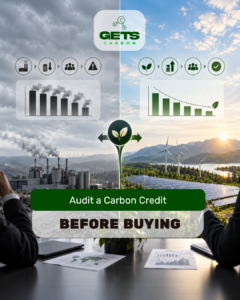
However, there is a strategic detail that many companies overlook: it is not the ESG narrative that creates a competitive advantage. It is the ability to measure and demonstrate results.
Organizations that can provide emissions inventories, environmental performance indicators, and structured sustainability initiatives inspire greater confidence among decision-makers. This reduces perceived risk and strengthens corporate credibility during complex negotiations.
Companies that utilize certified credit carbon solutions and transparent environmental reporting can often provide the evidence that buyers increasingly require. This turns sustainability from a corporate statement into a measurable business asset.
This is especially relevant in larger contracts, where suppliers undergo more rigorous evaluation processes. When two companies offer similar levels of quality and pricing, governance and sustainability performance can become the deciding factors.
In this context, building a structured environmental strategy is no longer simply a reputational initiative. It has become a commercial decision.
GETS Carbon operates precisely at the intersection of sustainability and competitiveness, helping organizations transform environmental commitments into measurable actions through certified credit carbon solutions and emissions compensation programs. By supporting businesses with transparent and traceable environmental strategies, the company helps strengthen credibility and improve readiness for increasingly demanding corporate procurement requirements.
Another insight that is rarely discussed is the impact ESG has on sales velocity. Companies with organized environmental data can respond more quickly to audits, compliance requirements, supplier questionnaires, and qualification processes. In B2B negotiations, this can represent a significant advantage, reducing delays and increasing the likelihood of closing deals.
Businesses that pursue the goal of becoming carbon neutral in business are often better positioned to meet these evolving expectations. Demonstrating a commitment to emissions reduction and compensation can reinforce trust among clients, investors, and strategic partners.
The reality is that sustainability is no longer merely an institutional topic. It is moving to the center of commercial decision-making.
If your company still views ESG solely as a marketing initiative or regulatory obligation, it may be time to reconsider its strategic value. Understanding how the carbon market works, leveraging certified credit carbon opportunities, and developing a path toward becoming carbon neutral in business can be important steps toward strengthening reputation, building trust, and creating opportunities in increasingly competitive B2B markets.