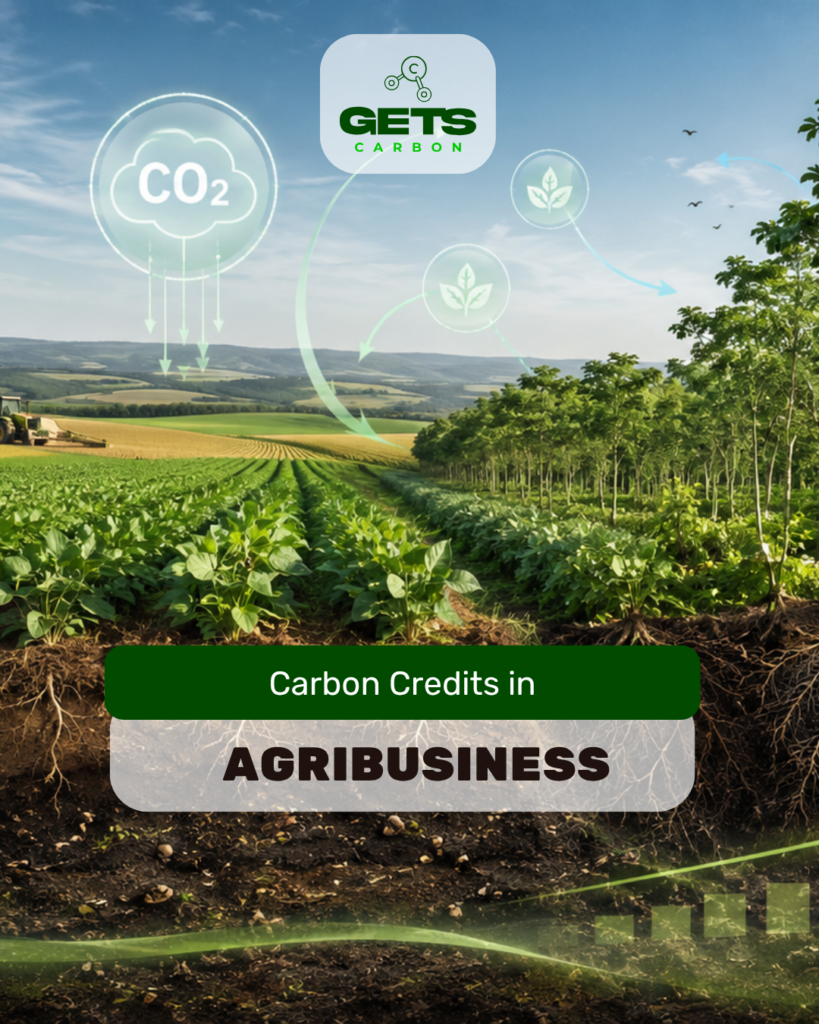
Among the most direct applications of carbon credits is agribusiness itself, supported by reforestation projects, soil carbon capture, and low-emission agricultural techniques.
For companies that until now have viewed carbon credits primarily as a voluntary reputational initiative, this confirms that, in heavy industry, carbon management is shifting from an optional measure to
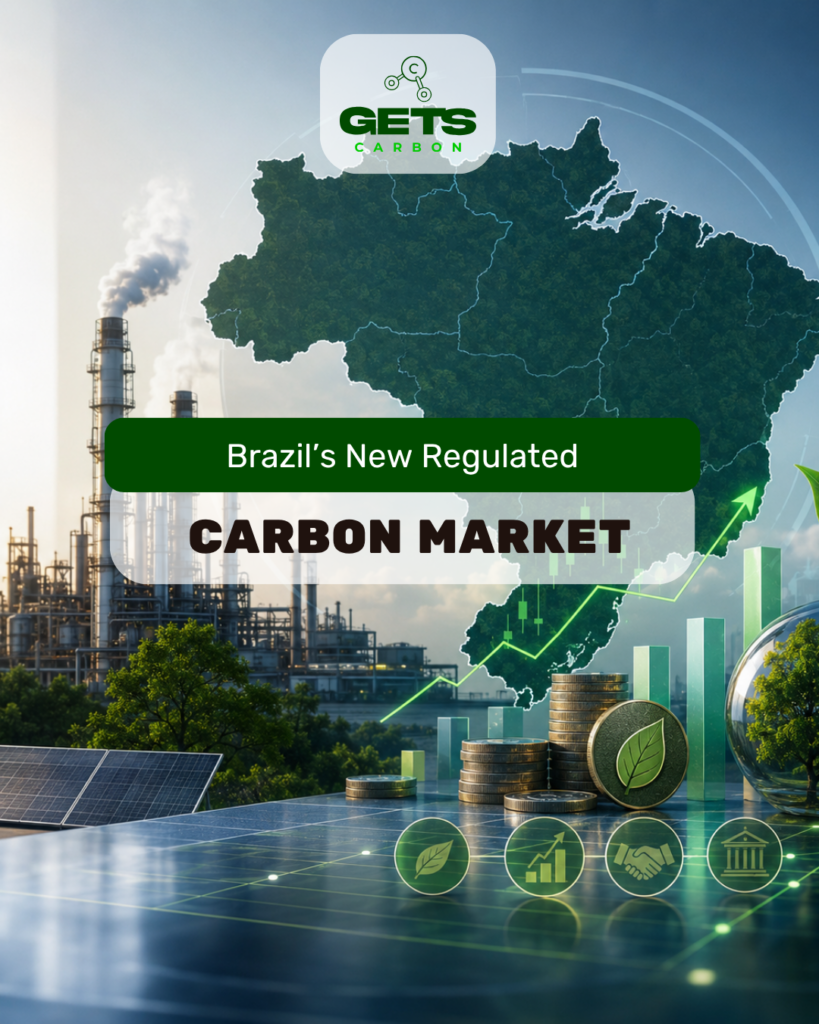
If your company still treats the carbon market as synonymous with the voluntary purchase of credits, a new regulatory chapter is already taking shape—and it changes that equation
The CVM suspended the ISSB report requirement in Brazil. Understand the difference for the GRI Standards and why voluntary reporting still makes strategic sense.
Understand how the GHG emissions inventory works under the GHG Protocol Brazil, its scopes and seals, and why it must come before purchasing carbon credit.
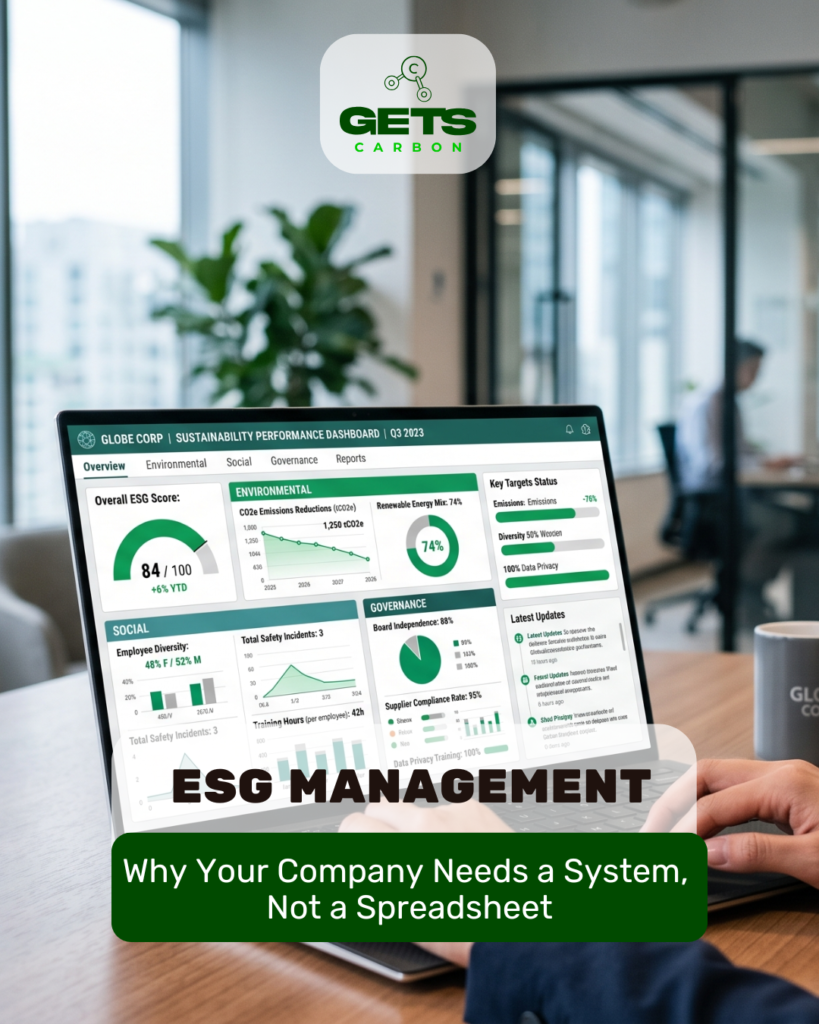
Understand why spreadsheet-based ESG management is outdated and how a structured platform connects emissions inventory, ESG maturity, and carbon credit.
For years, ESG was primarily associated with reputation management, branding, and corporate responsibility. However, a quiet transformation is taking place behind the scenes in the B2B market: companies are increasingly
For years, ESG was primarily viewed as a branding, compliance, or investor relations initiative. However, a quiet transformation is taking place across the B2B landscape: companies are losing contracts
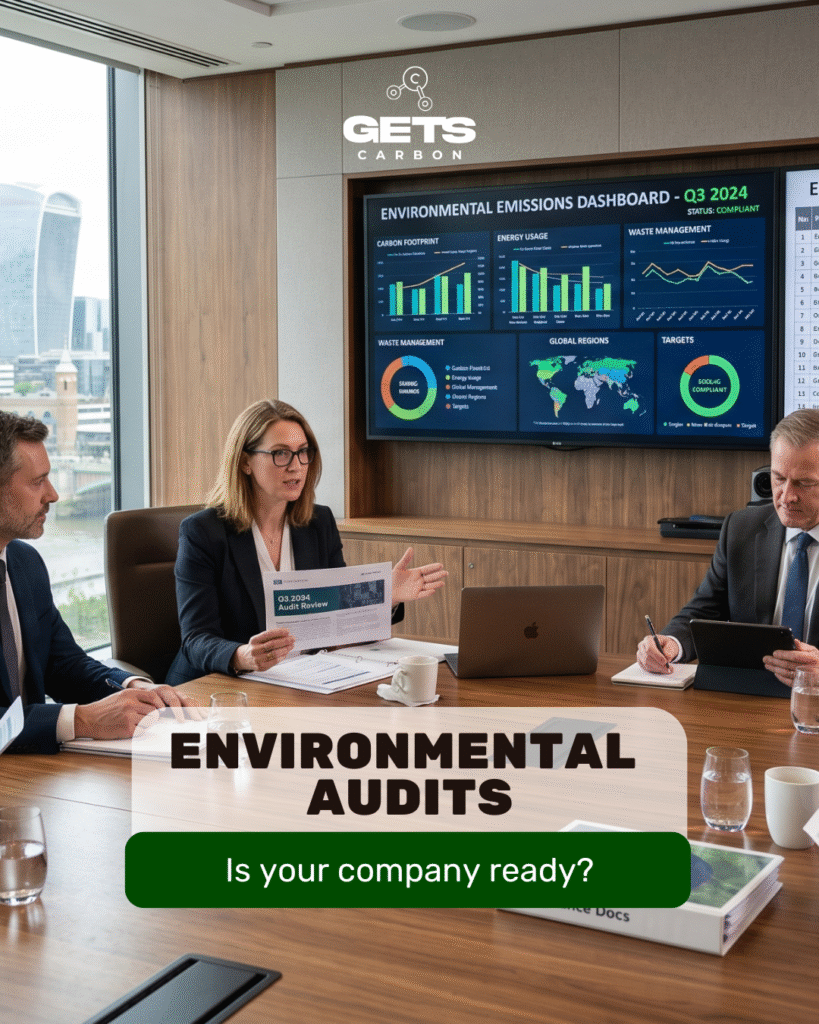
The pressure for global environmental compliance has never been greater. Companies that operate in international supply chains have already realized that environmental audits are no longer occasional events.