
Sustainability Report: Why Publish Under GRI Standards Even Without a Legal Requirement
The CVM suspended the ISSB report requirement in Brazil. Understand the difference for the GRI Standards and why voluntary reporting still makes strategic sense.
Emissions Inventory: The Step Every Company Skips Before Buying Carbon Credit
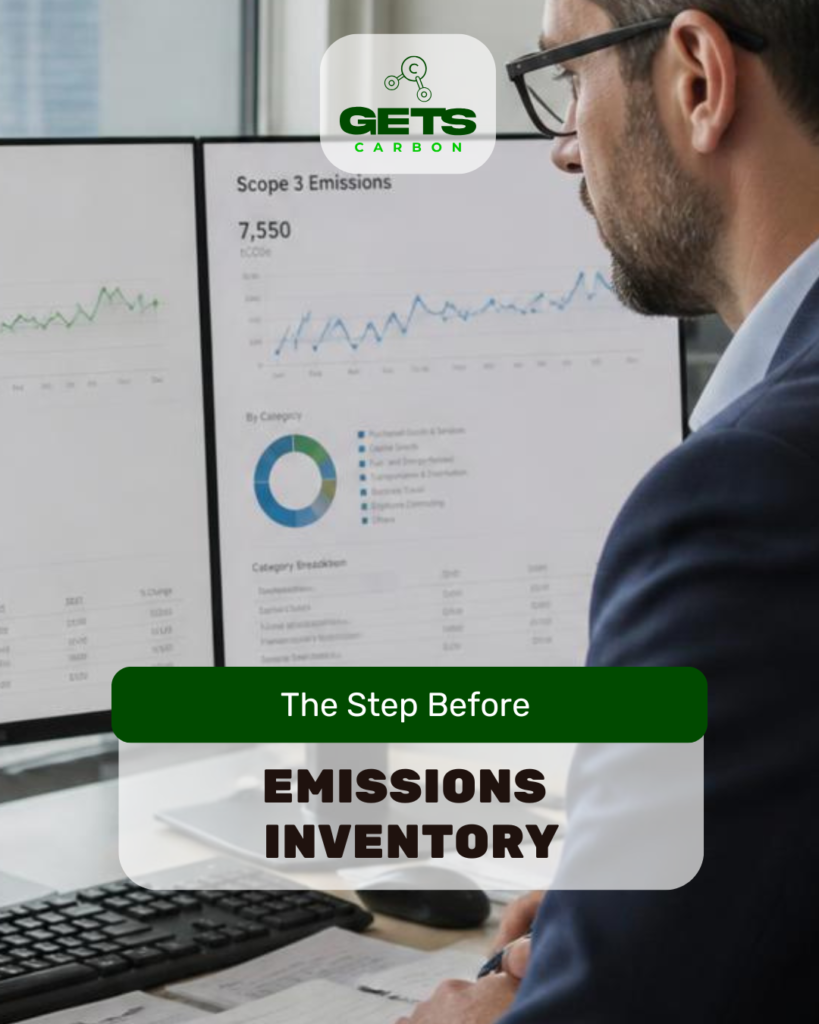
Understand how the GHG emissions inventory works under the GHG Protocol Brazil, its scopes and seals, and why it must come before purchasing carbon credit.
ESG is no longer a spreadsheet: why your company needs a system, not just carbon credits
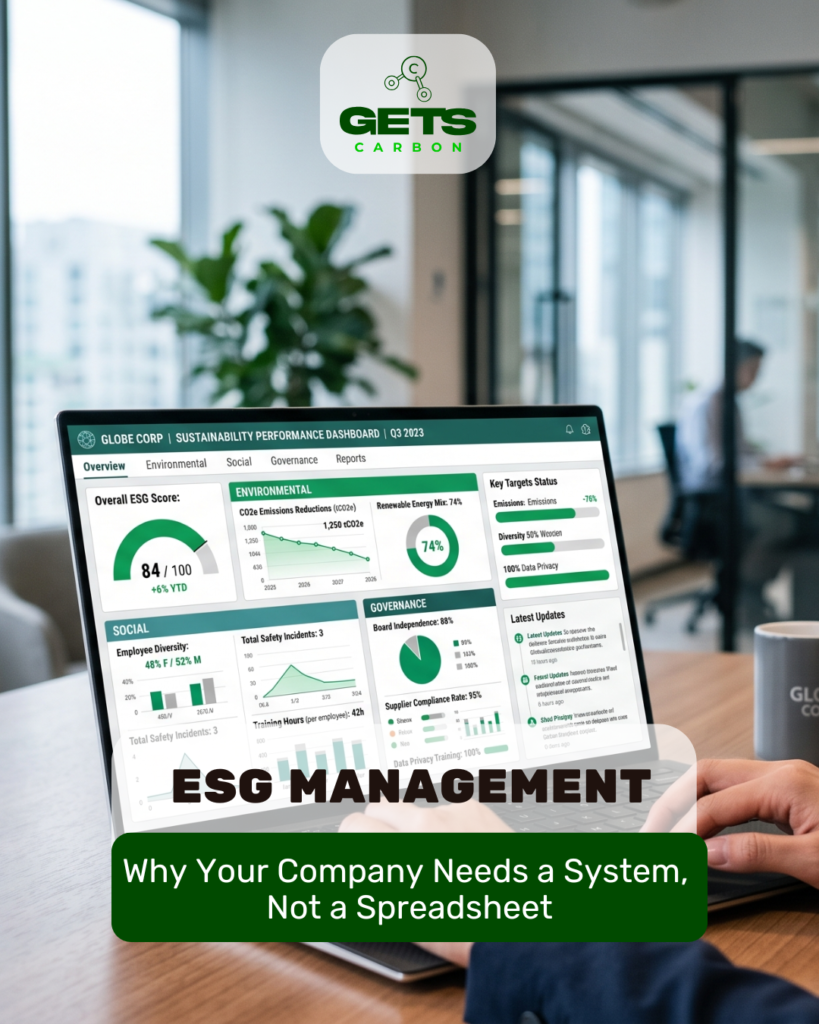
Understand why spreadsheet-based ESG management is outdated and how a structured platform connects emissions inventory, ESG maturity, and carbon credit.
ESG Is Influencing B2B Sales More Than Many Companies Realize

For years, ESG was primarily associated with reputation management, branding, and corporate responsibility. However, a quiet transformation is taking place behind the scenes in the B2B market: companies are increasingly winning—or losing—business opportunities based on their ability to demonstrate sustainable practices.
Does ESG Drive More Sales? What Almost Nobody Is Saying About Corporate Reputation in B2B
For years, ESG was primarily viewed as a branding, compliance, or investor relations initiative. However, a quiet transformation is taking place across the B2B landscape: companies are losing contracts
The Invisible ESG: Small Operational Decisions That Reduce Emissions Without You Realizing
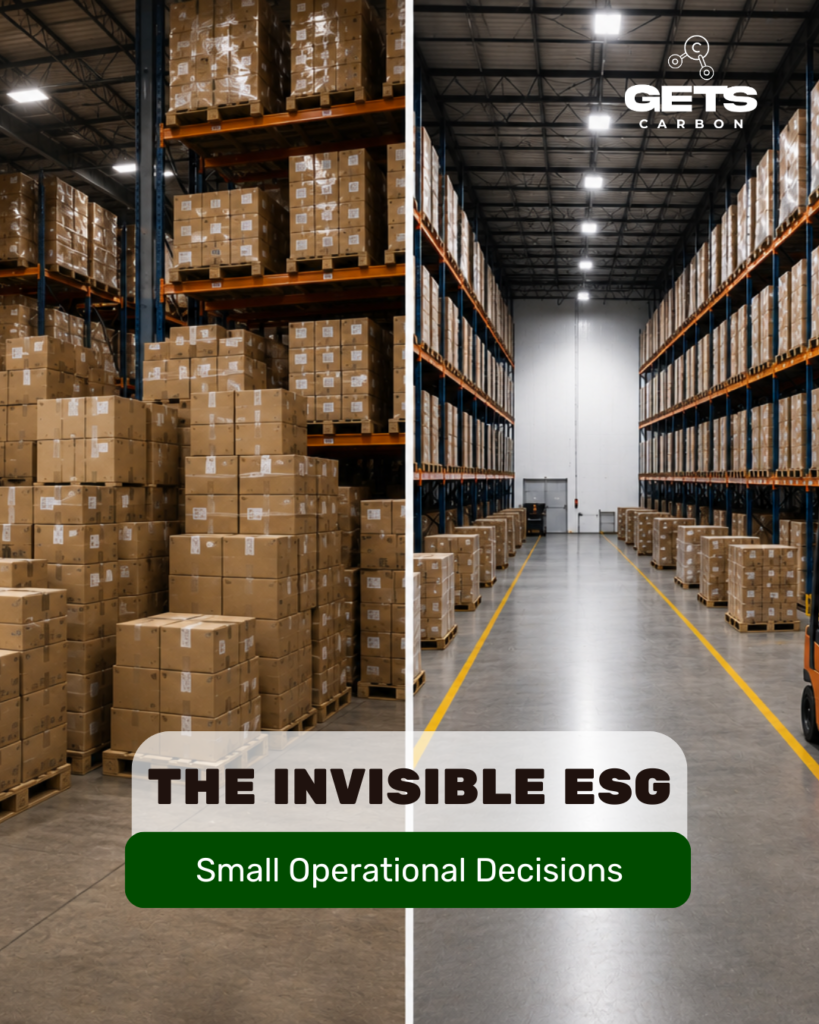
When people talk about ESG, many companies still associate sustainability with major projects, significant investments, or complex structural changes.
What no one tells you about certifications like VCS and Gold Standard — and why this directly impacts your carbon strategy

Companies entering the carbon market quickly encounter two dominant names: Verra (responsible for VCS) and the Gold Standard Foundation.
Is your company ready for international environmental audits, or just trying to keep up with the market?
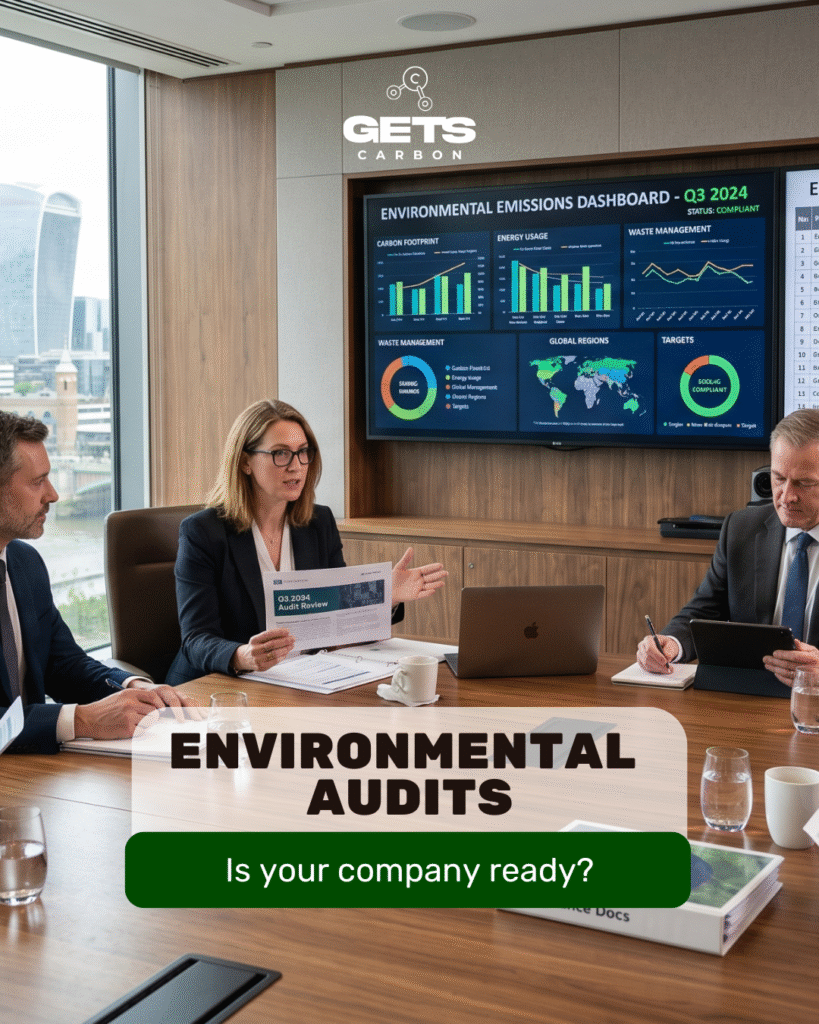
The pressure for global environmental compliance has never been greater. Companies that operate in international supply chains have already realized that environmental audits are no longer occasional events.
ESG in 2026: why your company needs to pay attention now
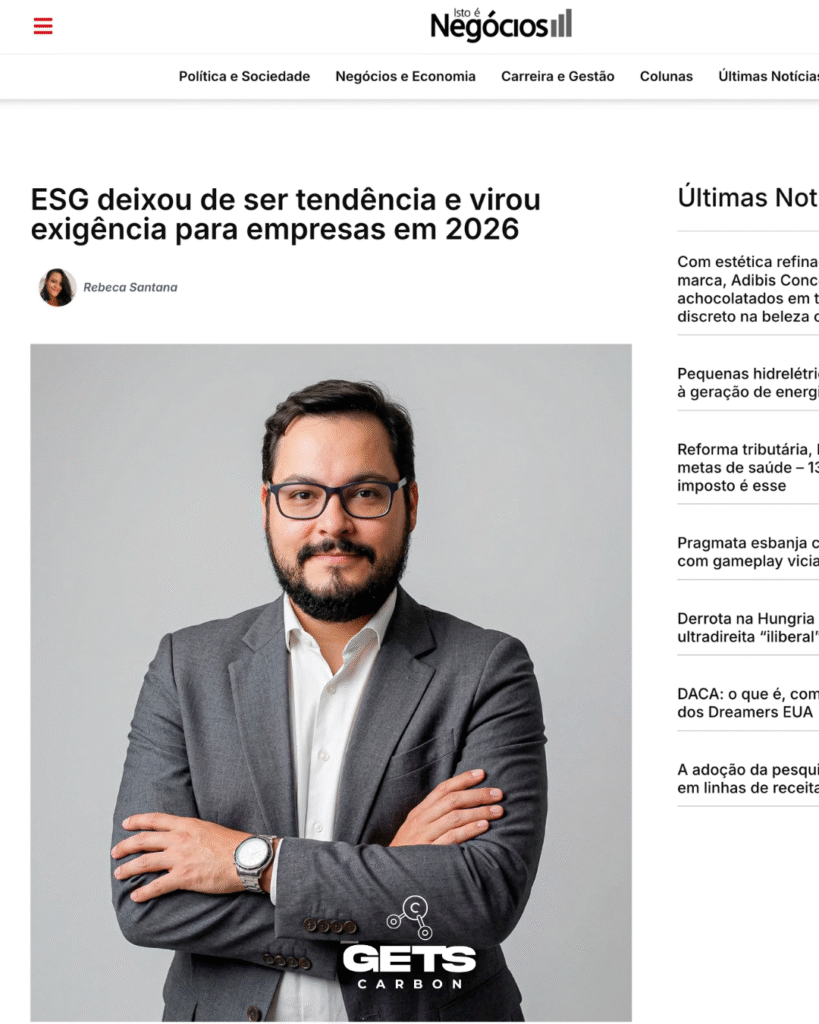
If your company still treats ESG as a trend, it’s already behind. In 2026, sustainability is no longer just a narrative — it directly impacts cost, risk, and market access.
Carbon: invisible cost or hidden profit
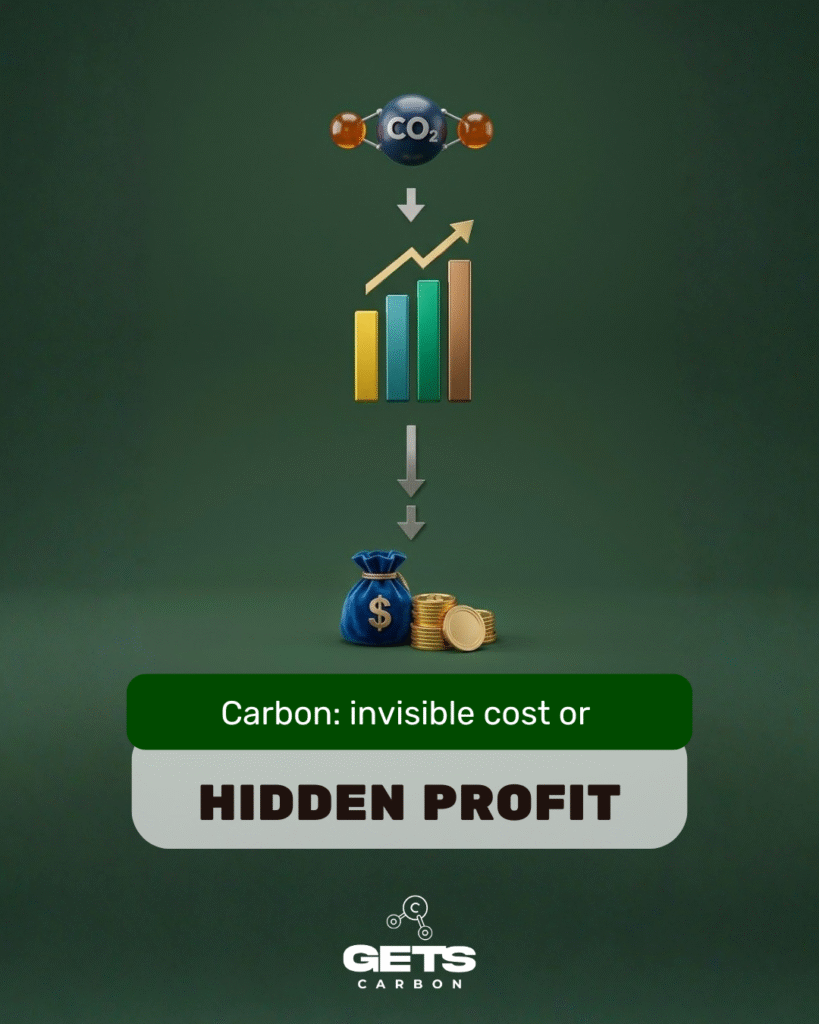
Carbon has moved beyond being just an environmental indicator to becoming a concrete economic variable, capable of directly impacting costs, revenues, and companies’ market value.