
How to Audit a Carbon Credit Before Buying: The Checklist That Separates an Asset from a Promise
Before signing any purchase agreement, there is a set of information that a serious seller should provide without hesitation: the project identifier in a public registry, the methodology used to calculate the reductions, the credit vintage, the name of the organization that verified the project, and a commitment to retire the credits in your company’s […]
Carbon Credits in Agribusiness: How Reforestation and Soil Management Generate Revenue Beyond the Harvest
Among the most direct applications of carbon credits is agribusiness itself, supported by reforestation projects, soil carbon capture, and low-emission agricultural techniques.
Carbon Credits for Industry: How Steel, Chemical, and Cement Companies Offset Process Emissions
For companies that until now have viewed carbon credits primarily as a voluntary reputational initiative, this confirms that, in heavy industry, carbon management is shifting from an optional measure to a compliance variable.
SBCE: What Your Company Needs to Know About Brazil’s New Regulated Carbon Market
If your company still treats the carbon market as synonymous with the voluntary purchase of credits, a new regulatory chapter is already taking shape—and it changes that equation
ESG Is Influencing B2B Sales More Than Many Companies Realize

For years, ESG was primarily associated with reputation management, branding, and corporate responsibility. However, a quiet transformation is taking place behind the scenes in the B2B market: companies are increasingly winning—or losing—business opportunities based on their ability to demonstrate sustainable practices.
Does ESG Drive More Sales? What Almost Nobody Is Saying About Corporate Reputation in B2B
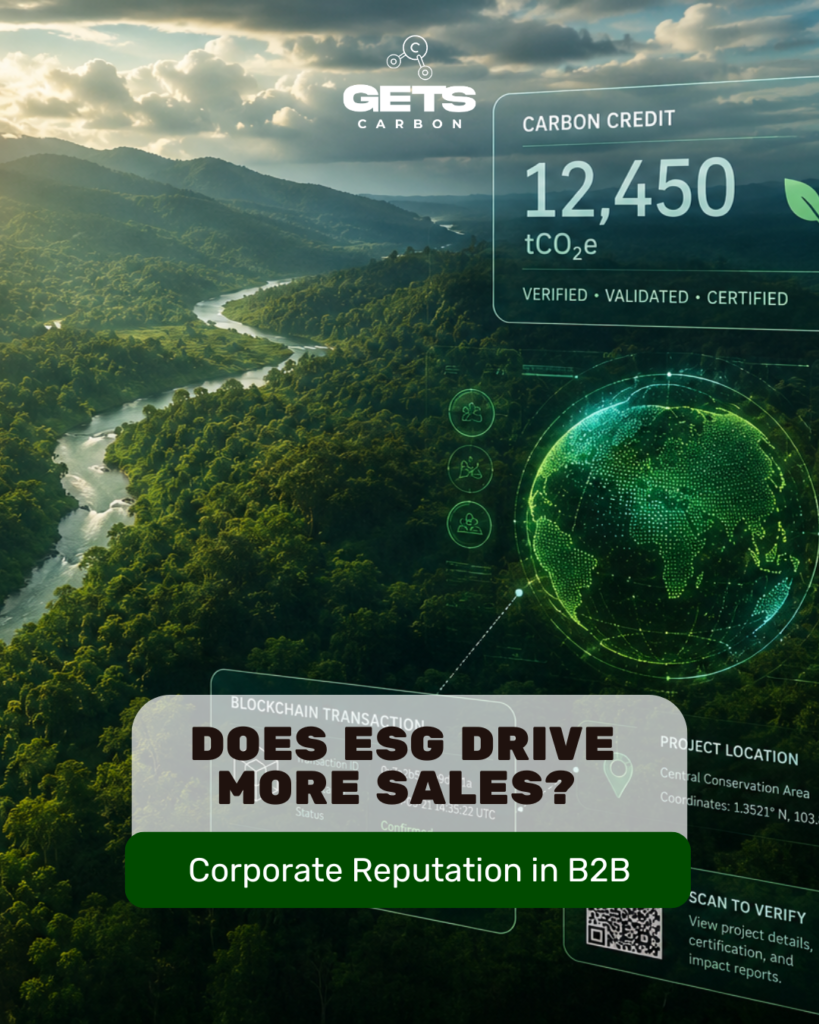
For years, ESG was primarily viewed as a branding, compliance, or investor relations initiative. However, a quiet transformation is taking place across the B2B landscape: companies are losing contracts
The Invisible ESG: Small Operational Decisions That Reduce Emissions Without You Realizing
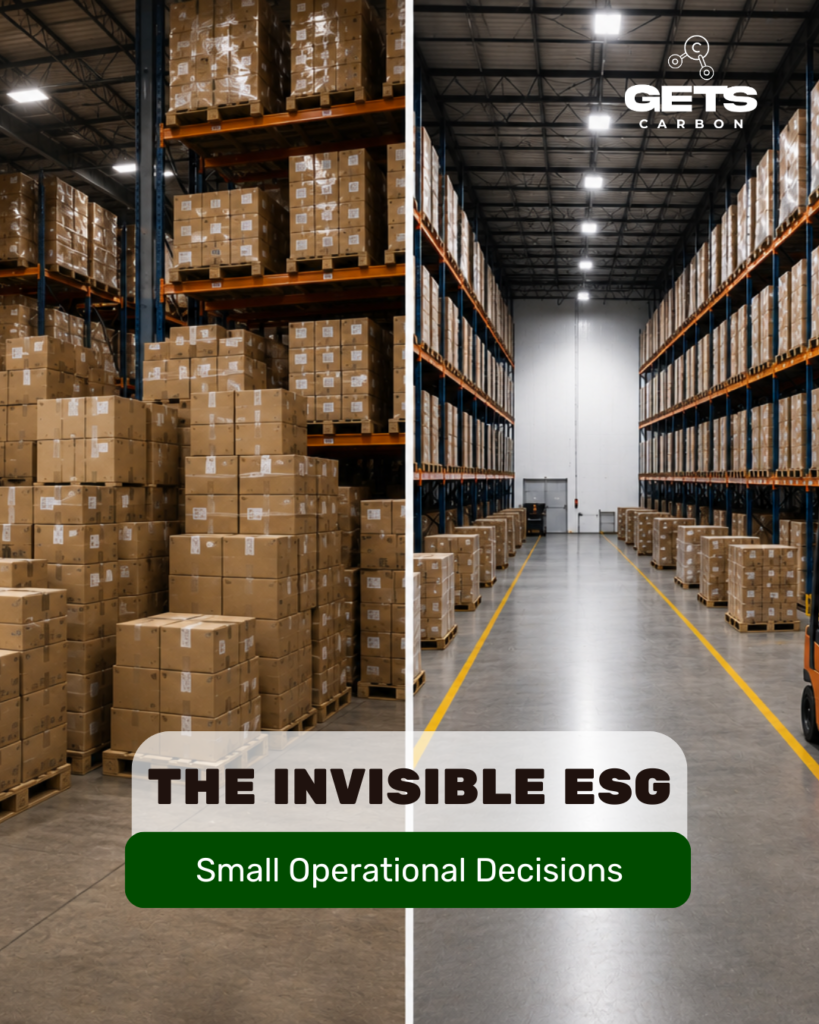
When people talk about ESG, many companies still associate sustainability with major projects, significant investments, or complex structural changes.
Carbon: invisible cost or hidden profit
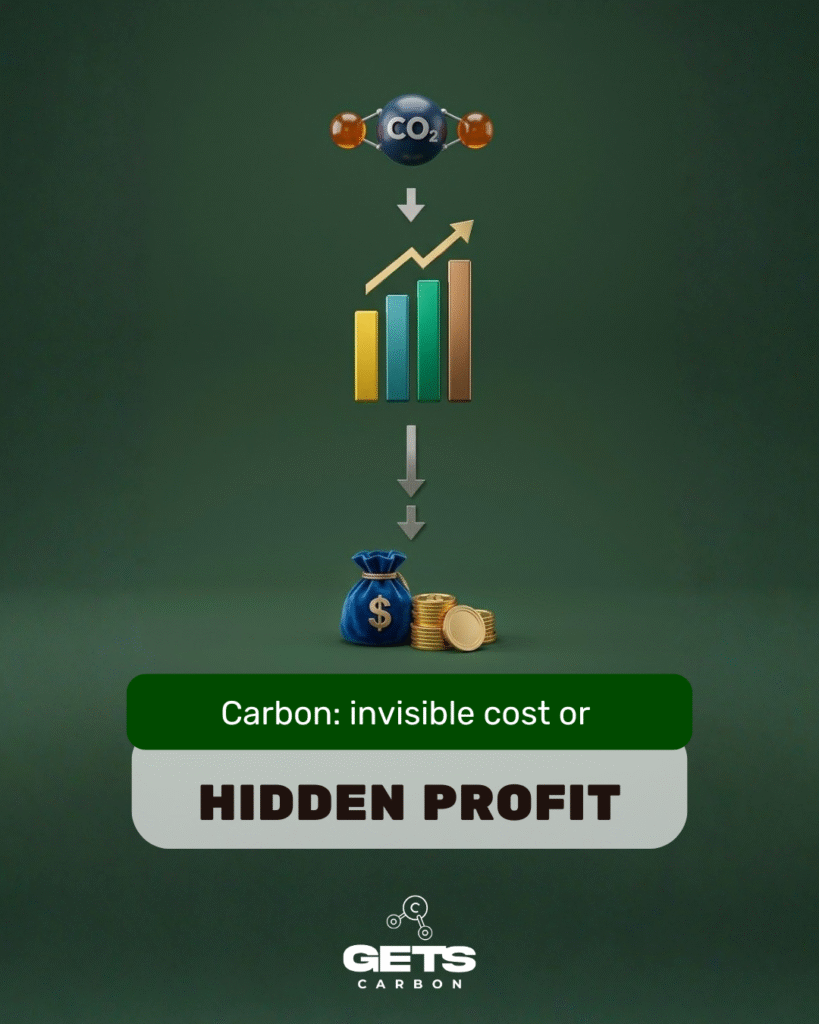
Carbon has moved beyond being just an environmental indicator to becoming a concrete economic variable, capable of directly impacting costs, revenues, and companies’ market value.
Far beyond the ton of CO₂: when carbon credit builds strong brands and transforms realities

For a long time, carbon credit was treated by companies as a technical, almost accounting mechanism: a way to offset emissions and meet environmental commitments.
Risks and Challenges in Building a Carbon Credit Portfolio
Although carbon credits are valuable tools, a poorly planned portfolio can generate significant risks and challenges. Below are some of the main risks that must be carefully managed within the carbon market: